The Complete AI Growth Strategy Framework for Startups and Modern Businesses (2026 Guide)
A formal, data-driven approach to designing, deploying, and scaling AI-enabled growth levers across product, marketing, and operations. Grounded in disciplined experimentation and measurable value, this framework helps leadership align teams, governance, and investments.
"AI Growth Strategy is a disciplined, outcome-focused program that translates data signals into repeatable growth loops across the business."
Internal links: [internal link: #visibility-intelligence], [internal link: #authority-development]

Definition and Scope
AI Growth Strategy is a structured program that couples data science maturity with growth objectives. It translates experimental learnings into repeatable, scalable actions across channels, products, and operations. The core is a governance-enabled lifecycle: ideate, prototype, test, measure, scale, and sustain.
The aim is to maximize net value—growth yield minus the cost of experimentation—while preserving customer trust, governance, and ethical considerations. The framework emphasizes forecastable outcomes, transparent metrics, and a clear handoff between teams to reduce cycle times.
- Aligned with corporate strategy and unit economics
- Data-driven decision-making at every milestone
- Governance, compliance, and risk-aware experimentation
- Structured by business stage to optimize resource allocation
Internal references: [internal link: /resources/ai-growth-definition], [internal link: /framework/overview]
What it is
Systematic methods to plan, run, and scale AI-enabled growth initiatives.
What it yields
Predictable growth with controlled risk and measurable impact.
What it avoids
ad-hoc AI experiments that don’t connect to strategic outcomes.
Common Structural Mistakes in AI Adoption
A disciplined growth program avoids these missteps by design. Each item below explains how to reframe a common pitfall into a measurable, governance-aligned action.
Lacks a unified metrics schema across product, marketing, and operations, leading to conflicting signals.
Remedy: establish a single truth set with agreed KPIs per framework stage and a cross-functional data glossary.
Operationalize metricsInvesting in flashy AI features without validating customer value or governance constraints.
Remedy: run quick, value-first experiments with predefined acceptance criteria and skippable scope.
Value-driven experimentsAI efforts lack cross-team collaboration, slowing time-to-impact and creating misaligned incentives.
Remedy: establish a cross-functional AI council with shared accountability and quarterly alignment reviews.
Cross-functional governanceWeak data lineage, privacy gaps, or biased data pipelines erode trust and accelerate risk exposure.
Remedy: implement data cataloging, privacy-by-design, and bias audits as ongoing routines.
Projects run without light governance gates, making it difficult to attribute impact.
Remedy: create an experiment playbook with hypothesizing, sample sizing, and pre-specified decision criteria.
Visibility Intelligence
Visibility Intelligence is about how a business surfaces demand signals, signals product-market fit, and early indicators of growth opportunity. It blends market intelligence, product analytics, and demand capture into a single feedback loop that informs prioritization and experimentation.
Core components include competitive intelligence, intent signals from user journeys, and a measurement framework that links top-of-funnel activity to downstream outcomes. It requires a unified data layer and cross-functional analytics ownership.
- Defined funnel stages tied to lifecycle metrics
- Signals that predict expansion, retention, and advocacy
- Experiment prioritization linked to visibility gaps
From intent indicators to engagement depth, translate signals into prioritized actions.
Link funnel metrics to visibility outcomes with a single source of truth and governance cadence.
Guardrails ensure investments are directed where signals indicate the strongest value potential.
Authority Development
Credibility is a growth accelerator. Authority Development coordinates thought leadership, credibility signals, partnerships, and strategic storytelling to compress time to trust. It aligns executive narratives with customer outcomes and measurable proof.
Publish proprietary analyses, run open datasets, and contribute practical frameworks that peers adopt and cite.
Publish outcomes and methodologies with transparent attribution to build customer confidence and partner interest.
Co-develop AI narratives with providers, users, and regulators to accelerate trust and co-creation.
“Authority is earned through transparent experimentation, reproducible results, and responsible AI governance.”


Operational Automation
Operational Automation focuses on turning insights into action without friction. It emphasizes data-to-action loops, governance, and scalable tooling that reduce manual toil while preserving safety and visibility.
Design modular pipelines for data ingestion, feature extraction, model inference, and decision orchestration across platforms.
Remedy: build reusable components with clear SLAs and lifecycle governance.
Embed guardrails, audit trails, and privacy-by-design in every automation layer to minimize risk and ensure compliance.
Remedy: implement role-based access, versioned models, and explainability logs.
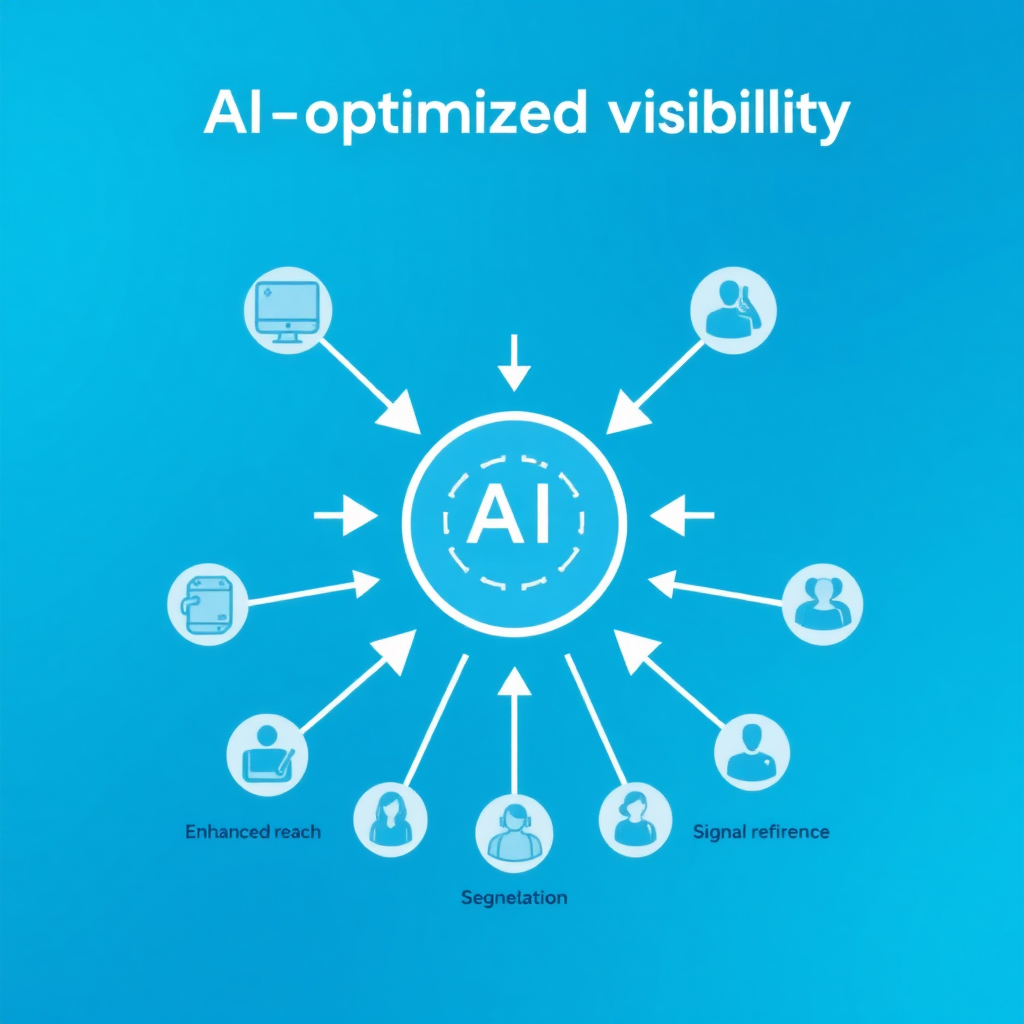
Conversion Optimization
Conversion Optimization translates visibility and authority into measurable outcomes. It emphasizes robust funnel design, rigorous experimentation, and reliable attribution to demonstrate impact and guide investment.
Craft minimal, evidence-backed funnels aligned with user intent and product value.
Remedy: define entry/exit criteria and measure time-to-conversion at each stage.
Iterate on hypotheses with pre-registered success criteria, avoiding vanity metrics.
Remedy: preregister sample sizes and breakpoints; publish results openly to reduce bias.
Capture multi-touch attribution without overfitting the model to a single channel.
Remedy: use multi-touch attribution with a clear time window and sensitivity analysis.
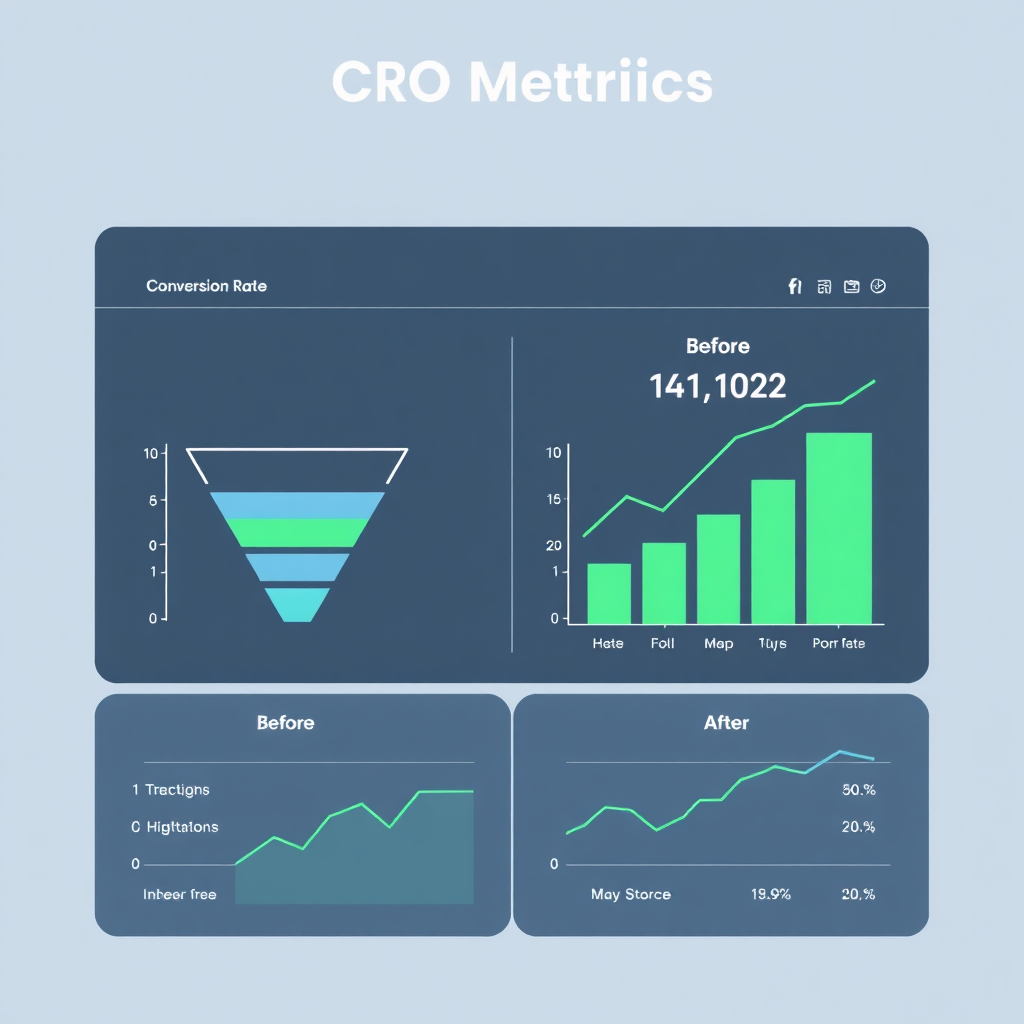
Implementation by Business Stage
Practical guidance tailored to Startup, Growth, and Scale stages ensures prudent use of resources, aligned with risk tolerances and time horizons. Each stage includes concrete milestones, metrics, and governance practices.
Startup
- Establish a minimal viable AI growth program with 3 experiments per quarter.
- Define one data source, one funnel metric, and one governance cadence.
- Allocate early-stage budget to data infra and governance tooling.
Growth
- Scale validated experiments into repeatable programs across channels.
- Invest in analytics architecture to support cross-functional visibility.
- Strengthen governance with formal review boards and data stewardship.
Scale
- Industrialize AI-led growth across product, marketing, and operations.
- Formalize partner ecosystems and governance with external buyers and regulators.
- Institutionalize continuous improvement via quarterly strategic reviews.
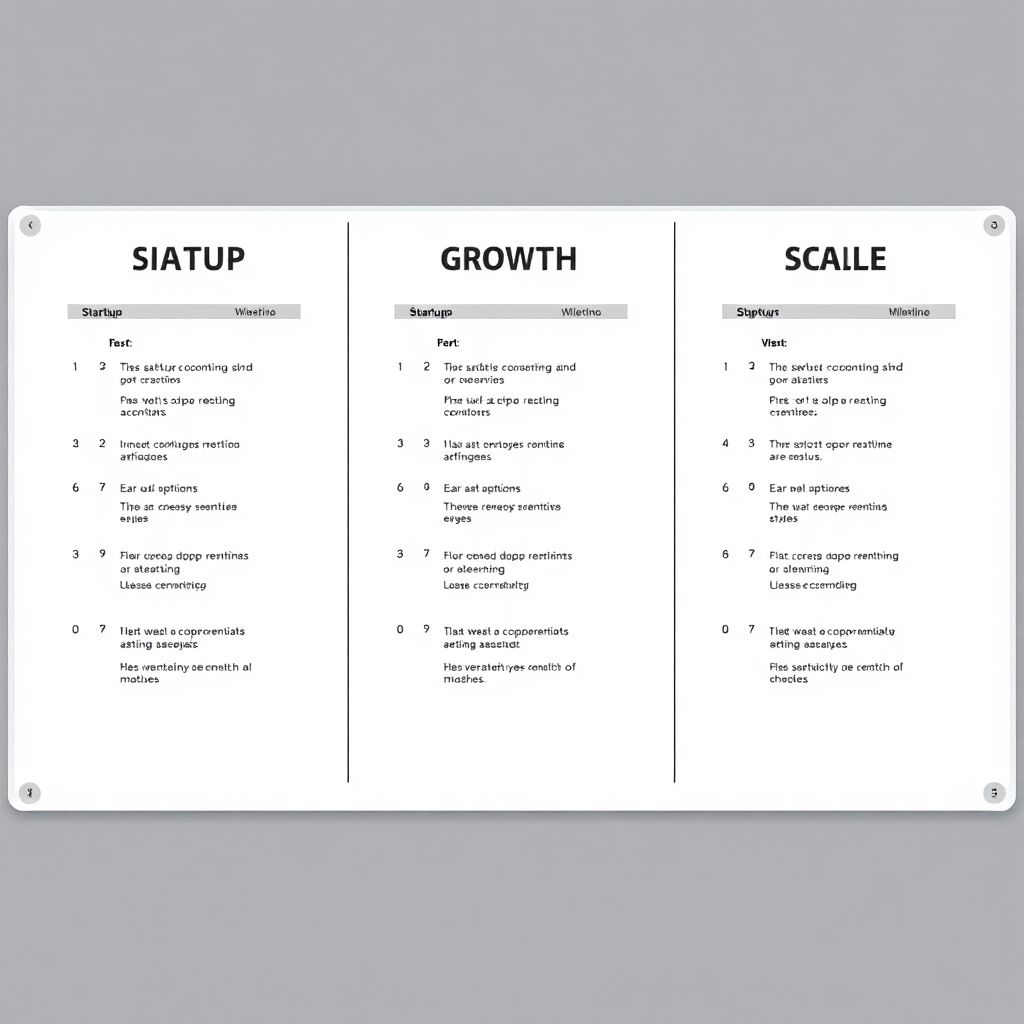
System-Thinking vs Campaign-Thinking
A systems approach treats AI-driven growth as interconnected capabilities that endure beyond campaigns. Campaign thinking focuses on isolated experiments and short-term activations. Both have value, but sustainable growth arises from balancing the two with explicit handoffs and governance.
System-thinking
- Longer horizon planning, with a focus on data architecture and governance.
- Cross-functional owner ship and enduring KPIs across product, marketing, and ops.
- Predictable delivery of value through repeatable, auditable processes.
Campaign-thinking
- Short-term experiments designed to prove viability or to test a concept.
- Limited scope with rapid iteration and incremental learning.
- Often channel-focused; could risk fragmented data if not coordinated.

Frequently Asked Questions
Distinct questions addressing different dimensions of AI growth, with concise, actionable answers that do not repeat prior sections.
1. How should a startup begin integrating AI into growth efforts without overextending?
Start with one high-impact hypothesis linked to a single metric. Build a minimal data stack to support it, define clear success criteria, and commit to a fixed experimentation cadence for 90 days. Prioritize governance from day one to avoid drift and risk.
2. What are practical indicators that AI investments are delivering value?
Look for consistent uplift in core metrics (revenue, activation, retention) that can be attributed to AI-enabled actions. Require a pre-registered attribution model, verifiable dose-response relationships, and a transparent denominator for ROI calculations.
3. How can teams maintain customer trust while deploying AI-driven experiences?
Embed privacy-by-design, provide explainable outputs where feasible, and ensure opt-out paths. Document model behavior and display impact statements so customers understand how AI influences their experience.
4. How should resource constraints shape the AI growth roadmap?
Prioritize high-leverage, low-variance experiments with scalable data infrastructure. Use staged bets aligned to milestones and maintain a reserve for governance and compliance costs that scale with program maturity.
5. What governance practices ensure responsible AI adoption at scale?
Institute a recurring review cadence, document decision criteria, maintain an audit trail, and implement guardrails for safety, privacy, and bias detection. Align with regulatory expectations and internal risk appetite.
Summary Recap
- The AI Growth Strategy is a disciplined, governance-enabled program linking data, product, marketing, and operations.
- Visibility Intelligence surfaces demand signals and aligns experimentation with strategic priorities.
- Authority Development builds credibility through thought leadership, case studies, and partnerships.
- Operational Automation translates insights into scalable actions with guardrails and audits.
- Conversion Optimization closes the loop with robust funnels, reliable attribution, and ROI clarity.
- Implementation is staged: Startup, Growth, Scale, each with concrete milestones and metrics.
Ready to design your AI Growth Strategy?
Book a strategic consultation to tailor the framework to your business stage and market context.
SEO Meta
Primary keyword: AI Growth Strategy
Slug: the-complete-ai-growth-strategy-framework-for-startups-2026-guide
Tags: AI growth framework, startups, growth strategy, conversion optimization, governance
Related searches: AI growth strategy for startups, AI-driven growth framework, system thinking vs campaign thinking, visibility intelligence, automation in growth
Internal links: [internal link: /resources/ai-growth-definition], [internal link: /framework/overview], [internal link: /resources/case-studies]